
The ability to control who has access to our information and our private spaces, in what circumstances, is foundational to privacy.
Search & Seizure
When we lose control over our personal information and private spaces, it impacts our human dignity and our freedom.
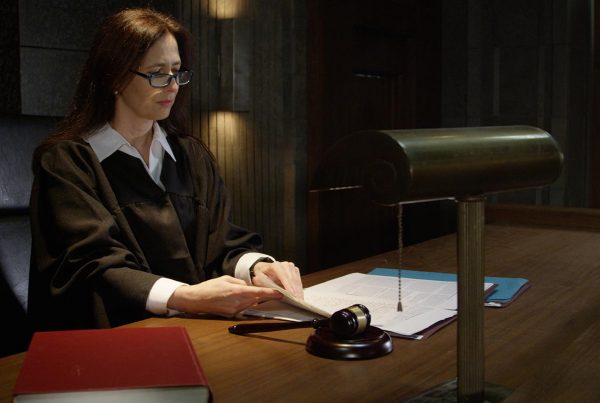
However, law enforcement frequently seeks access to private spaces and personal information to collect evidence and investigate crimes, and so a balance must be struck between public safety objectives and our rights. Traditionally, warrants granted by independent judges have been the primary tool for ensuring that police search powers are used appropriately and reasonably. However, this balance is constantly being challenged by changes in the law and technology.
Rapid technological changes are expanding the amount of information captured about our daily lives, and digital infrastructures make it increasingly easy to collect information about us. CCLA advocates to ensure the principled privacy protections provided by section 8 of the Charter, which prohibits unreasonable search and seizure, are appropriately extended and interpreted in the context of new technologies.
We believe that we must be vigilant to ensure that a reasonable balance is maintained, and that privacy protections remain both meaningful and effective.

Our 2018 Supreme Court Win
Can Canadians ever reasonably expect the text messages they send to remain private, even after the messages have reached their destination? Or is the state free, regardless of the circumstances, to access text messages from a recipient’s device without a warrant?
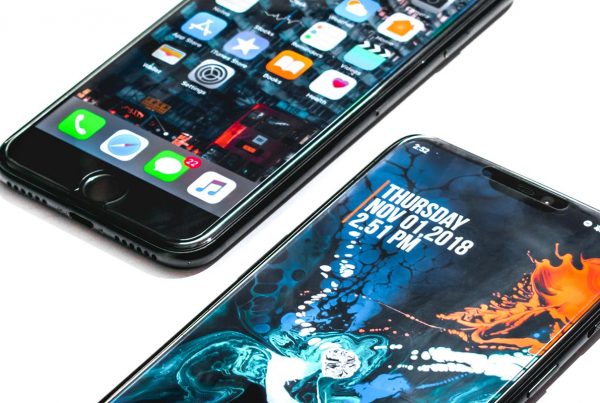
When Nour Marakah was accused of various crimes, text messages he had sent were used as evidence against him. Text messages on his phone were deemed inadmissible because using them would violate Nour’s right to be free from search and seizure; so the investigating team got an iPhone belonging to another person who had received texts from Nour, and attempted to use them as evidence.
Oral communications in Canada are protected and require a warrant to obtain, and with more and more people using texting to communicate, we argued that written communication should also be allowed the same privacy. Advancements in technology make it possible to negate privacy, but they don’t make it legal.
The Court found that there had been a breach of Marakah’s Charter rights in this case. Without those texts, he would have been acquitted and to allow the conviction to stand would be a miscarriage of justice.
The court agreed that written communications should have the same expectation of privacy as oral communications, and that violating that privacy is a breach on your charter right to be free from search & seizure.
Our Work in Search & Seizure

SCC releases judgement in Singer, expanding police ability to enter people’s yards
SCC releases judgement in Singer, expanding police ability to enter people’s yards

CCLA Intervening at SCC to Protect People’s Privacy Rights from Police Overreach
CCLA Intervening at SCC to Protect People’s Privacy Rights from Police Overreach
CCLA on R. v. Pike and Scott
CCLA on R. v. Pike and Scott
Privacy Rights in the Workplace: The Fruits of a Search Cannot be Used to Justify an Unreasonable Privacy Violation
Privacy Rights in the Workplace: The Fruits of a Search Cannot be Used to Justify an Unreasonable Privacy Violation
CCLA Intervening before Ontario Court of Appeal to Oppose Standardless Limitless Searches of Personal Electronic Devices at Border
CCLA Intervening before Ontario Court of Appeal to Oppose Standardless Limitless Searches of Personal Electronic Devices at Border
Supreme Court of Canada rules Police Now Required to Obtain Warrants for IP Address Access
Supreme Court of Canada rules Police Now Required to Obtain Warrants for IP Address Access
Re-hearing ordered in Andrei Bykovets v His Majesty the King
Re-hearing ordered in Andrei Bykovets v His Majesty the King

CCLA Granted Leave to Intervene in Dwayne Alexander Campbell v. His Majesty the King
CCLA Granted Leave to Intervene in Dwayne Alexander Campbell v. His Majesty the King
Privacy Rights in the Workplace – CCLA Intervention in York Region District School Board v. Elementary Teachers’ Federation of Ontario
Privacy Rights in the Workplace – CCLA Intervention in York Region District School Board v. Elementary Teachers’ Federation of Ontario
Decision in R v Hafizi
Decision in R v Hafizi
CBC: Arctic Bay residents raise concerns after RCMP search mail
CBC: Arctic Bay residents raise concerns after RCMP search mail
Supreme Court Dodges Key Issue in R. v. McGregor
Supreme Court Dodges Key Issue in R. v. McGregor
Human Rights Tribunal Finds Police DNA Sweep was Discriminatory
Human Rights Tribunal Finds Police DNA Sweep was Discriminatory
CCLA Calls for Moratorium on RCMP Surveillance ‘Tools’
CCLA Calls for Moratorium on RCMP Surveillance ‘Tools’
Statement on the RCMP’s Use of Spyware
Statement on the RCMP’s Use of Spyware
Canadian Civil Liberties Association launches constitutional challenge to Ontario’s strip search law
Canadian Civil Liberties Association launches constitutional challenge to Ontario’s strip search law
Oral Submissions on Bill S-7 Regarding Privacy and Device Searches at the Border
Oral Submissions on Bill S-7 Regarding Privacy and Device Searches at the Border
Applying the Charter Outside of Canada
Applying the Charter Outside of Canada
Phone Searches at the Border: Bill S-7 Fails to Protect Privacy
Phone Searches at the Border: Bill S-7 Fails to Protect Privacy
SCC Rules on Constitutionality of Post-Arrest Searches of Houses
SCC Rules on Constitutionality of Post-Arrest Searches of Houses

CCLA to Appear Before the Supreme Court in Police Search and Seizure Case
CCLA to Appear Before the Supreme Court in Police Search and Seizure Case
Shoppers Not Suspects
Shoppers Not Suspects
Victory at The Supreme Court: A Fight for Everyone’s Right to Privacy and Equality (R v. Le)
Victory at The Supreme Court: A Fight for Everyone’s Right to Privacy and Equality (R v. Le)

CCLA at the Supreme Court: The Worst Carding Case in Canadian History?
CCLA at the Supreme Court: The Worst Carding Case in Canadian History?
A Phone Is Not a “Good”, It’s a Private Window into Our Lives
A Phone Is Not a “Good”, It’s a Private Window into Our Lives
CCLA at The Supreme Court: Privacy Lost
CCLA at The Supreme Court: Privacy Lost
CCLA at SCC: Mills
CCLA at SCC: Mills
Supreme Court Finds a Reasonable Expectation of Privacy in Shared Computer
Supreme Court Finds a Reasonable Expectation of Privacy in Shared Computer

CCLA urges Nova Scotia to withdraw charges against teen: downloading publicly available data is no crime
CCLA urges Nova Scotia to withdraw charges against teen: downloading publicly available data is no crime
CCLA At Scc: Privacy In The Classroom… And Everywhere…
CCLA At Scc: Privacy In The Classroom… And Everywhere…
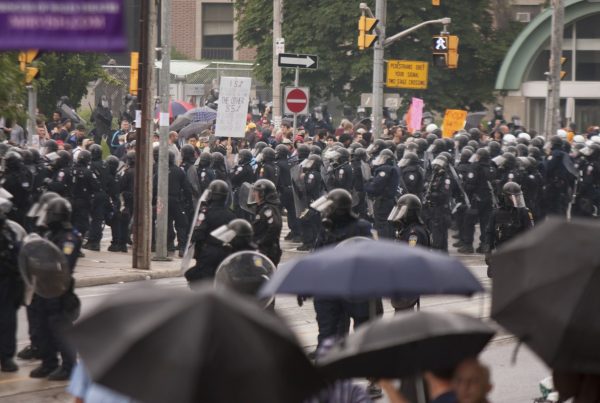
G20 Civil Case Against Toronto Police Board Begins Today
G20 Civil Case Against Toronto Police Board Begins Today

Privacy at The Border: Committee Report Recommends Customs Act Update
Privacy at The Border: Committee Report Recommends Customs Act Update

A Win for Privacy in Text Messages: Marakah and Jones
A Win for Privacy in Text Messages: Marakah and Jones
Privacy protectors: Teens Reflect on Privacy in Digital Age